
The Art of Layered Lighting: Ambient, Task & Accent
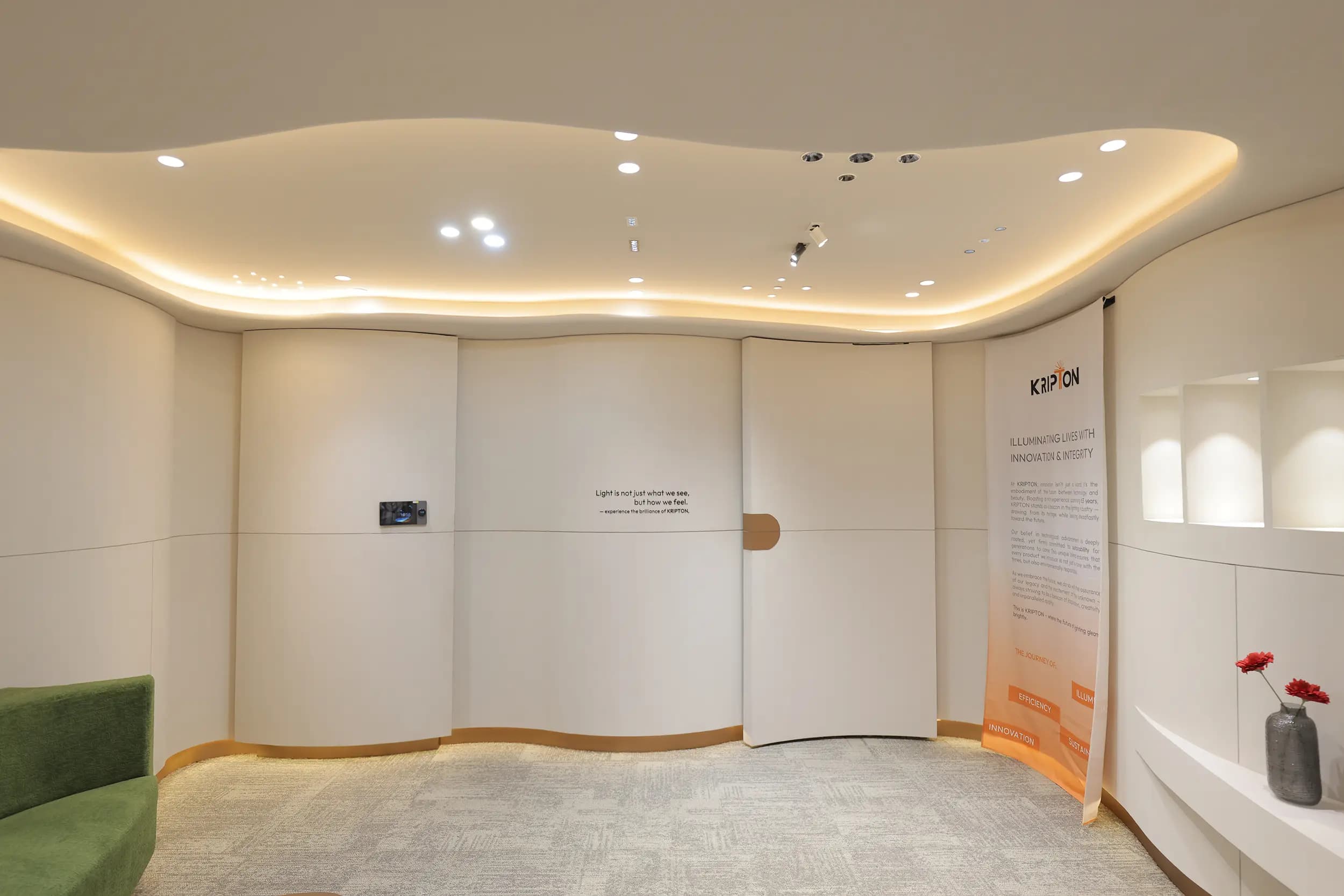
Most homes are lit by a single ceiling light in the middle of the room. It works — but it flattens the space, casts hard shadows and leaves corners dull. The secret that designers use is layering: combining three distinct types of light so a room can shift from bright and practical to soft and intimate.
Layer 1 — Ambient light
Ambient (or general) light is the base layer — the comfortable overall glow you navigate a room by. Recessed downlights, a central fixture or cove lighting all work. The goal is even, gentle coverage with no harsh hotspots. Aim for a warm 2700K–3000K in living spaces.
Layer 2 — Task light
Task light is focused where you do things: a reading lamp beside a chair, under-cabinet strips on a kitchen counter, a pendant over a study table. Task light should be brighter and more direct than the ambient layer, and ideally on its own switch so you only use it when you need it.
Layer 3 — Accent light
Accent light is the drama — the layer that makes a room feel designed. Spotlights on art, a wall-washer over texture, a strip behind a headboard. Accent light is usually three times brighter than ambient on the focal point, which is what makes the eye go there.
Put them on scenes
The magic happens when each layer is dimmable and grouped into scenes. A ‘Dinner’ scene might dim the ambient, lift the pendant over the table and warm the accents. With smart switches, that's a single tap. Come into the studio and we'll show you all three layers, live.
See these ideas in person
Book a guided visit to our three-floor studio.
Keep reading
All articles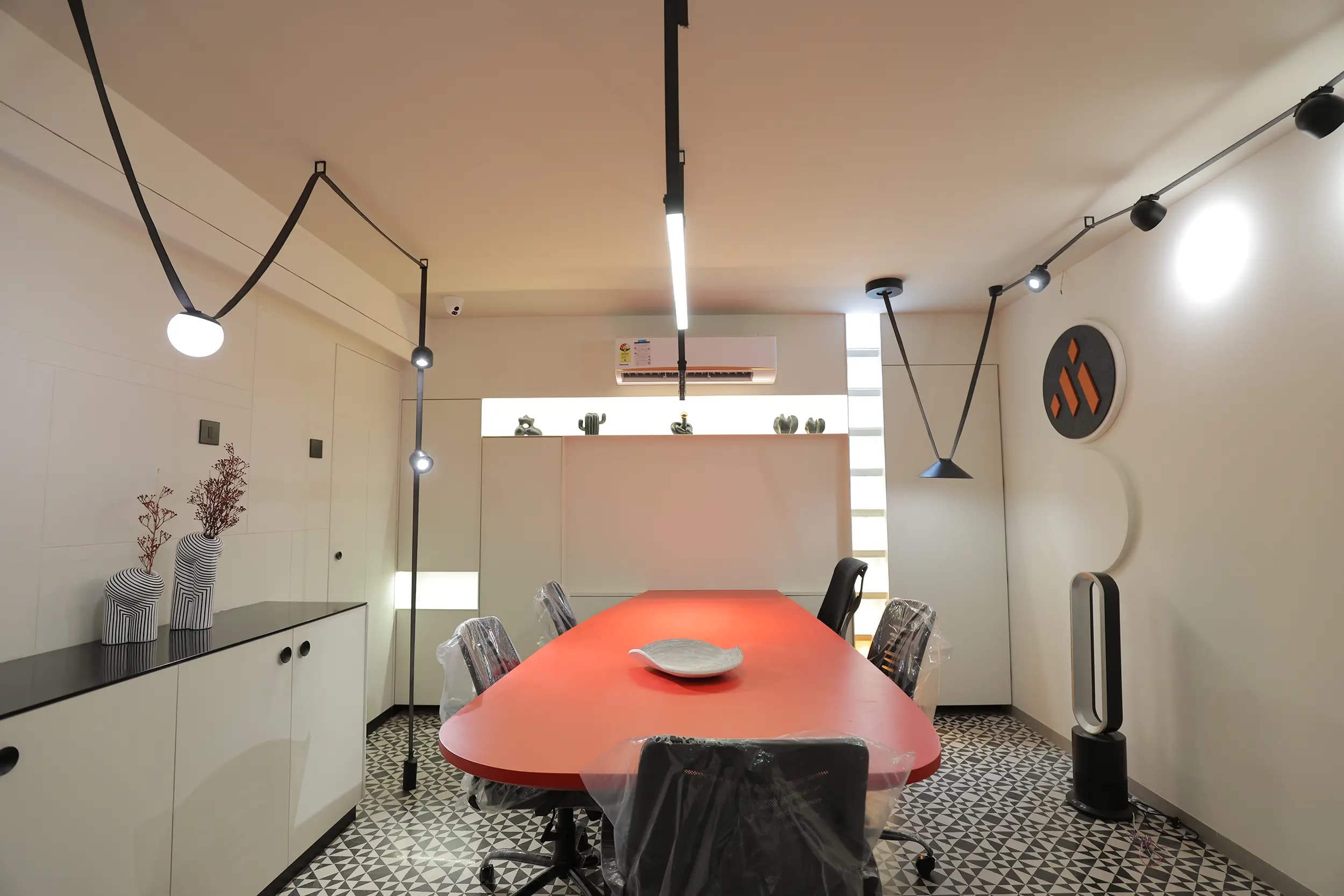 Buying Guides
Warm or Cool? Choosing the Right Colour Temperature
2700K, 4000K, 6500K — what do the numbers mean, and which one belongs in your bedroom versus your kitchen?
Read article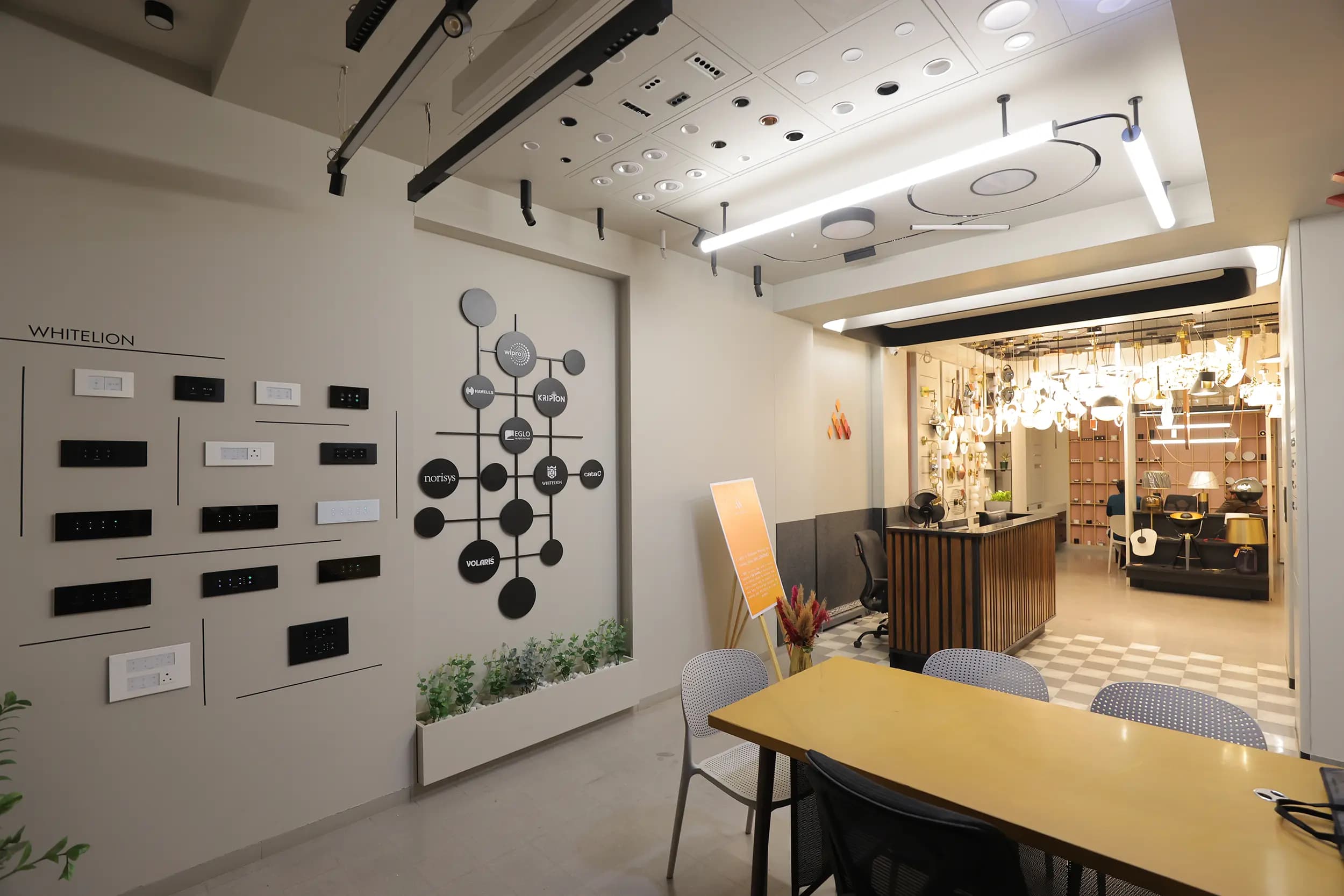 Home Automation
Your First Smart Home: Where to Actually Start
You don't need to automate everything at once. Here's the smart-switch starting point that gives you the biggest everyday win.
Read article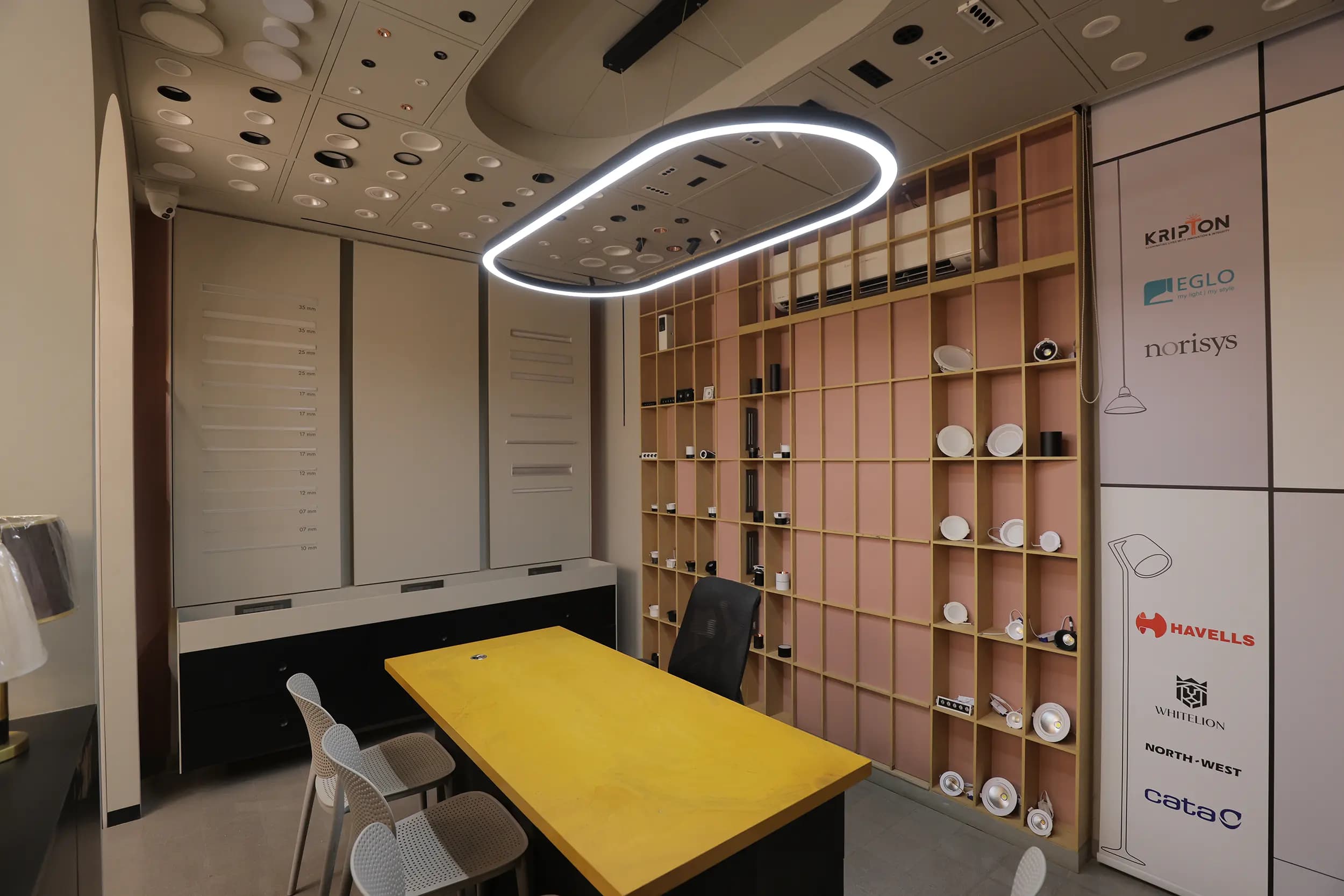 Buying Guides
How to Size a Chandelier for Any Room
Too small and it looks lost; too big and it overwhelms. A simple formula for getting chandelier size exactly right.
Read article